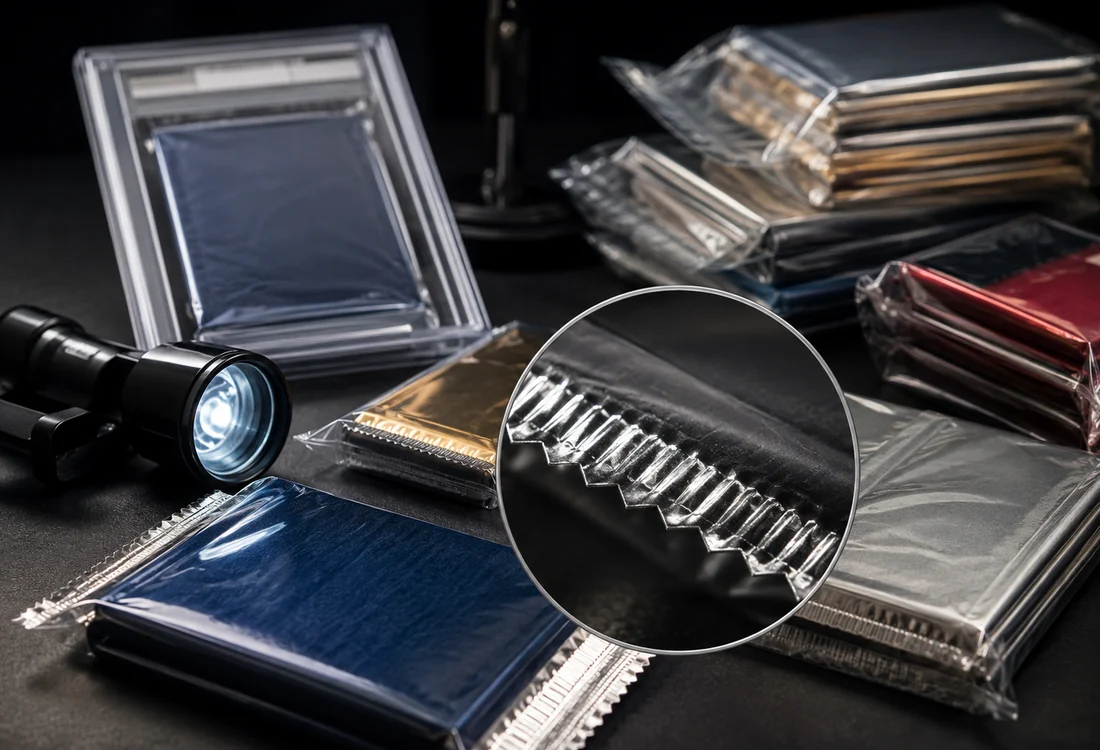
Wax packs are popular because they feel old, tactile and gamble-like. That same charm also makes them a target for resealing, swapping and story-heavy listings.
Start with the crimp
Look for heat and glue behavior
Vintage wax paper normally shows age, folds and surface wear. Resealed examples may show localized shine, stiff glue patches, waviness near the seam or unnatural flattening where heat was applied.
The goal is not to declare every imperfect wrapper fake. The goal is to decide whether the pack earns more inspection, better seller photos or a pass.
Browse Tell If A Wax Pack Was Resealed on eBay →
Compare against sold examples
Search sold listings for the same format and era. Save examples with strong photos of both ends, side seams and back folds. If a listed pack differs from every clean sold example, ask why before bidding.
Seller-photo checklist
Ready to start browsing?
See current Tell If A Wax Pack Was Resealed listings on eBay →